
Bacteria and unpleasant odours
Sweat, skin oils and dirt accumulate inside gloves, pads and helmet padding. Moisture encourages microbial growth, potentially creating persistent unpleasant smells.
Practical ways to look after cricket equipment, understand suggested cleaning intervals and choose a care service.
Sweat, oils, dirt and moisture can build up in frequently used equipment. Let gear dry and air out after use, and follow each manufacturer's care instructions.
Sweat, skin oils and dirt accumulate inside gloves, pads and helmet padding. Moisture encourages microbial growth, potentially creating persistent unpleasant smells.
When damp equipment is stored in a closed kit bag, moisture can remain trapped for hours or days. This increases the risk of mould growth, particularly in fabric and foam.
Repeated exposure to sweat, salts and moisture may contribute to leather stiffening, fabric discolouration, weakened stitching and deterioration of some foam or synthetic materials.
Dirty, damp equipment can irritate skin, particularly where it remains in close contact with the body. Sharing poorly maintained equipment can also increase hygiene concerns.
Odours from damp gloves, pads and shoes can affect the entire kit bag. Perfume or deodoriser may temporarily mask smells without removing the underlying sweat residue.
Follow manufacturer instructions, especially for leather, padding and removable components.
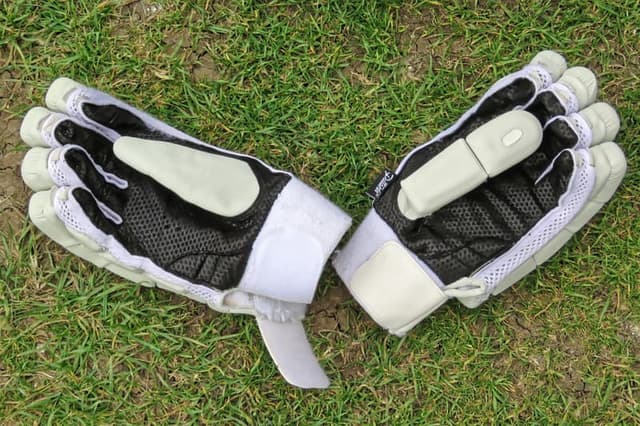
Air-dry after every game; avoid direct heat and soaking leather.
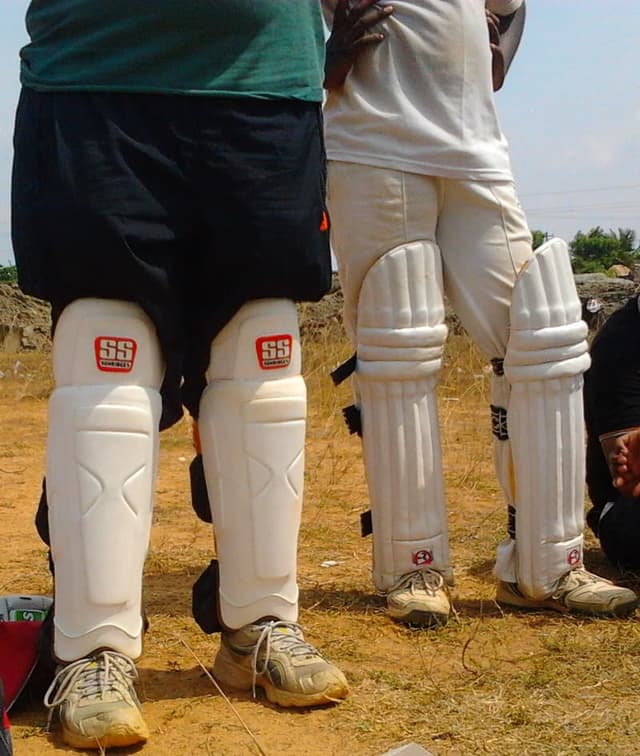
Wipe away surface dirt; open straps and ventilate thoroughly.
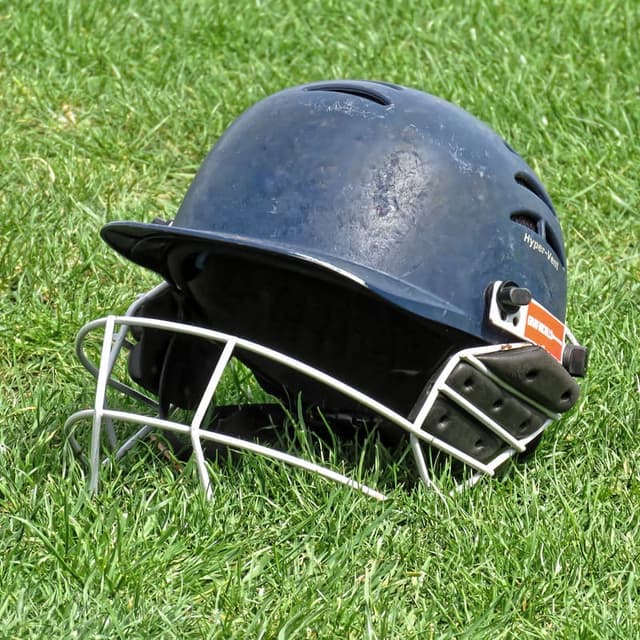
Clean the shell and removable padding according to manufacturer instructions.
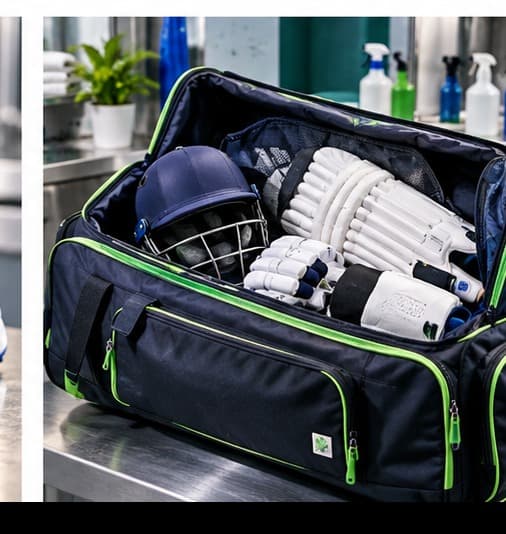
Empty after use, remove dirt and let the interior dry.
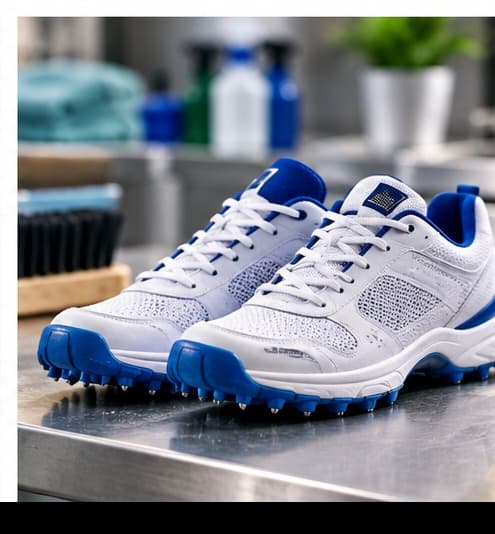
Remove insoles where possible, clean mud and air-dry.
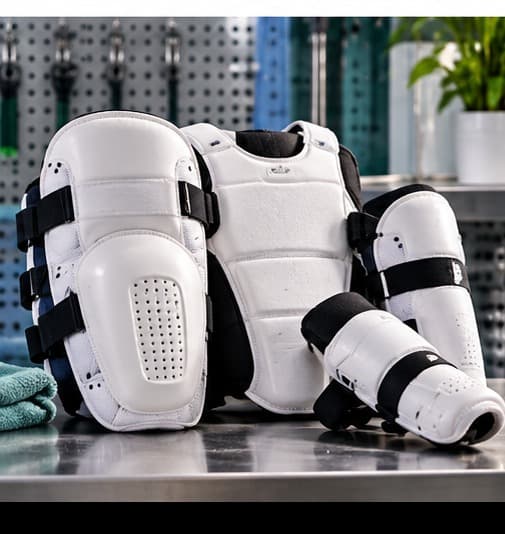
Wipe appropriately and dry completely before storing.
Never leave sweaty or wet cricket equipment sealed inside a kit bag overnight.
After every match or practice
Every 2–3 matches
Every 5–8 matches
Every 10–15 matches or 2–3 months
These are practical suggested intervals, not scientifically established universal standards. Players who sweat heavily, play tournaments or store gear in humid conditions may need cleaning more frequently.
Frequencies are suggestions. Treatment depends on the equipment and its materials; ozone is used only where suitable and validated.
Regular maintenance and odour control.
Address accumulated sweat, dirt, stains and odours.
Comprehensive cleaning and care for the entire kit.